Thank you for writing to us. One of our executive will reach back to you through your submitted medium. In case there’s an urgency, feel free to connect over WhatsApp for faster response.
Prefer calling? Dial +9108048074958 (International callers) or 08048074958 (Indian callers).
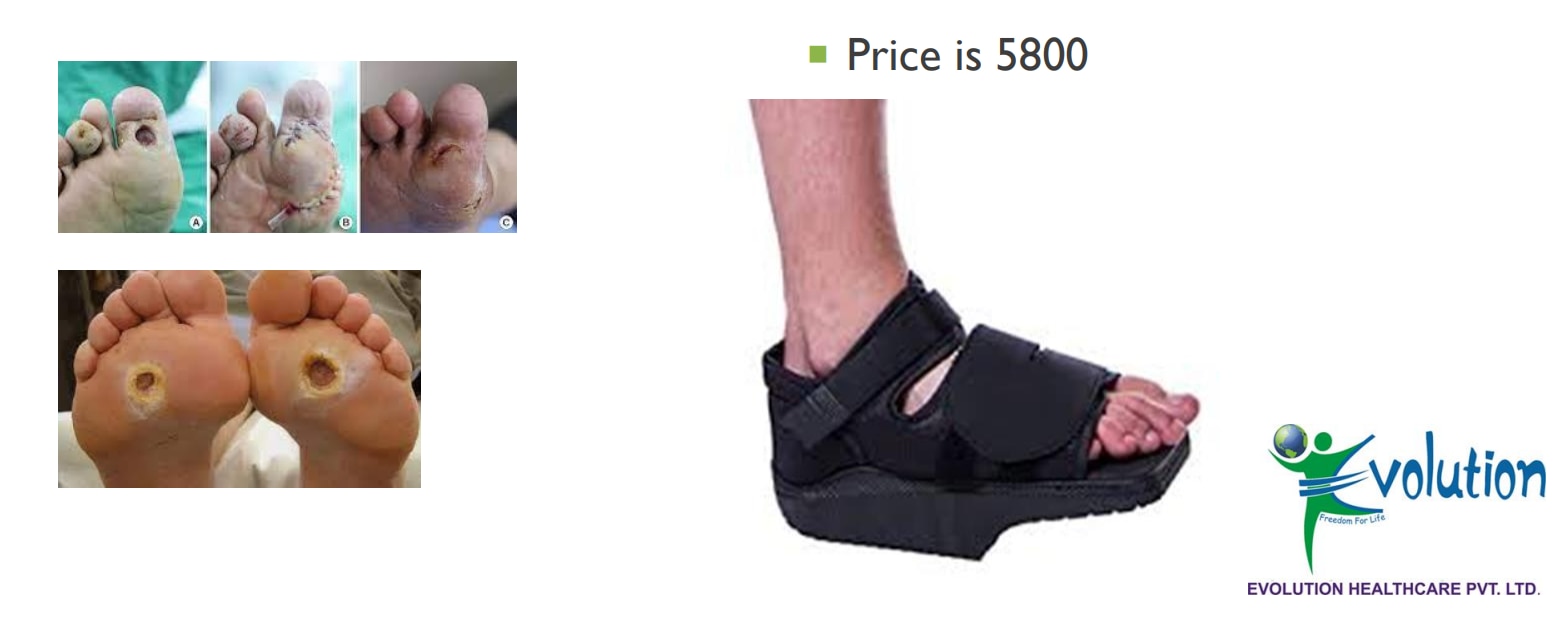
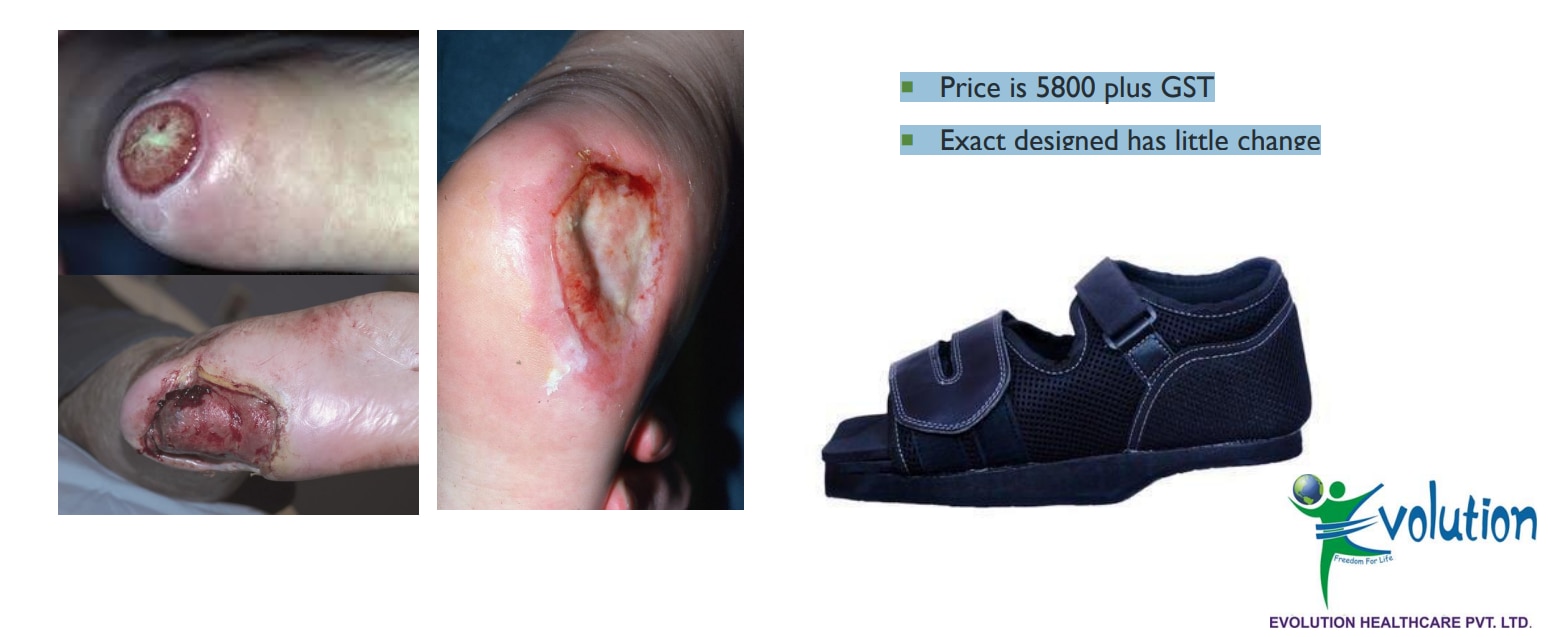
A heel ulcer is an open sore that develops on the skin of the heel, typically as a result of prolonged pressure or friction on the area. Heel ulcers can be painful and may take a long time to heal, especially in individuals with poor circulation or diabetes.
There are several factors that can contribute to the development of a heel ulcer, including:
Prolonged pressure on the heel due to immobility or sitting or lying down for extended periods of time
Friction from ill-fitting shoes or socks
Poor circulation, which can lead to slow healing and an increased risk of infection
Diabetes, which can cause nerve damage and reduce sensation in the feet, making it more difficult to detect and treat ulcers
Treatment for a heel ulcer typically involves relieving pressure on the affected area and keeping the wound clean and protected. This may involve the use of specialized dressings, pressure-relieving devices, and wound care techniques. In severe cases, surgery may be necessary to remove damaged tissue or correct underlying structural problems in the foot or ankle.
Prevention is key in avoiding heel ulcers. This can involve regular foot inspections, wearing well-fitting shoes, and maintaining good blood sugar control in individuals with diabetes.
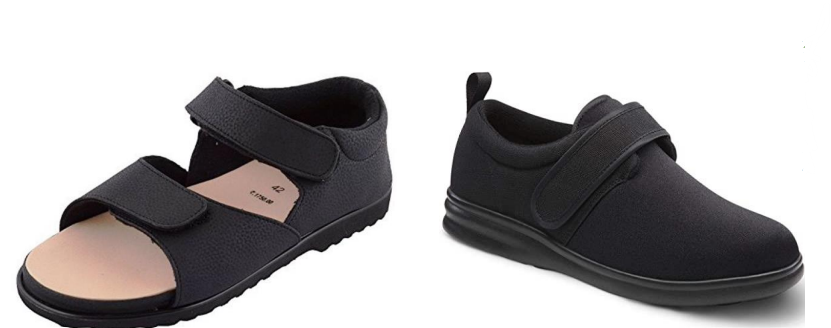
NORMAL DIABETIC SHOE:
Price range 4500 to 6800 plus GST
1) Diabetic shoes decrease the risk of diabetic foot ulcers
and thereby reduce amputations. They provide support
and protection while minimizing pressure points on the feet.
They also have extra depth to accommodate diabetic inserts.
There are many styles to choose from, and the shoes look
much like any other shoe.
2) Diabetic shoes are often wider and deeper than regular
shoes to accommodate a special multi-density insert that is
designed to reduce pressure and callouses to the bottom of
feet. Diabetic shoes have a larger “toe box” to prevent
squeezing of the toes.
Who is eligible for the Medicare diabetic shoe program?
- History of partial or complete foot amputation
- History of previous foot ulceration
- History of pre-ulcerative callus
- Peripheral neuropathy with evidence of callus formation
- Foot deformity
- Poor circulation
Price range 4500 to 6800 plus GST