Thank you for writing to us. One of our executive will reach back to you through your submitted medium. In case there’s an urgency, feel free to connect over WhatsApp for faster response.
Prefer calling? Dial +9108048074958 (international callers) or 08048074958 (Indian callers).
Rehabilitation aids are devices or equipment designed to assist individuals in their recovery process following an injury, surgery, or illness. These aids help improve mobility, strength, flexibility, and overall functionality. Here are some common types of rehabilitation aids:
Exercise Equipment: Various exercise tools and machines can aid in rehabilitation. These include resistance bands, therapy balls, balance boards, and pedal exercisers. They help strengthen muscles, improve range of motion, and enhance balance and coordination.
Walking Aids: As mentioned earlier, walking aids like canes, crutches, walkers, and knee walkers/scooters can assist individuals in regaining mobility during their rehabilitation journey.
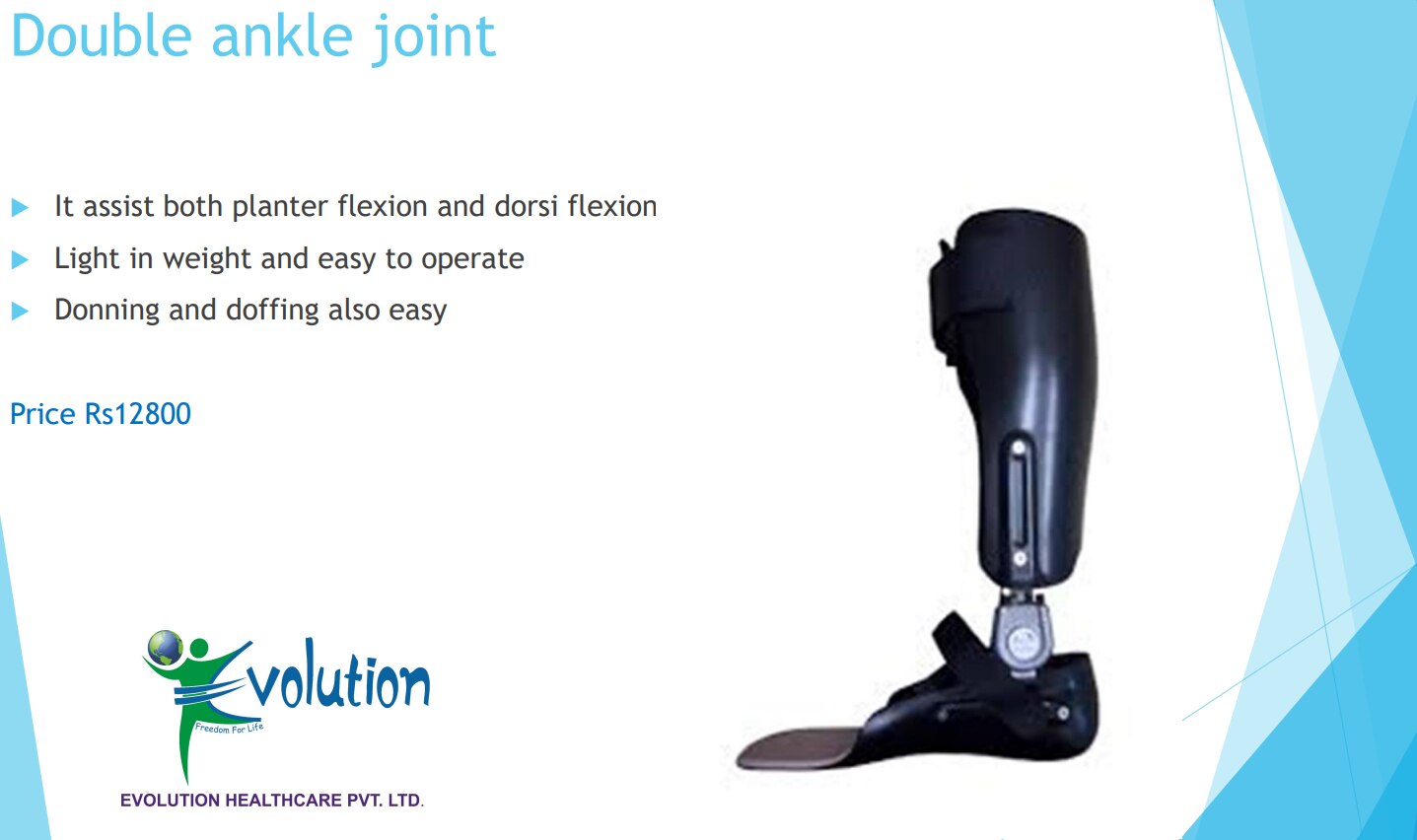
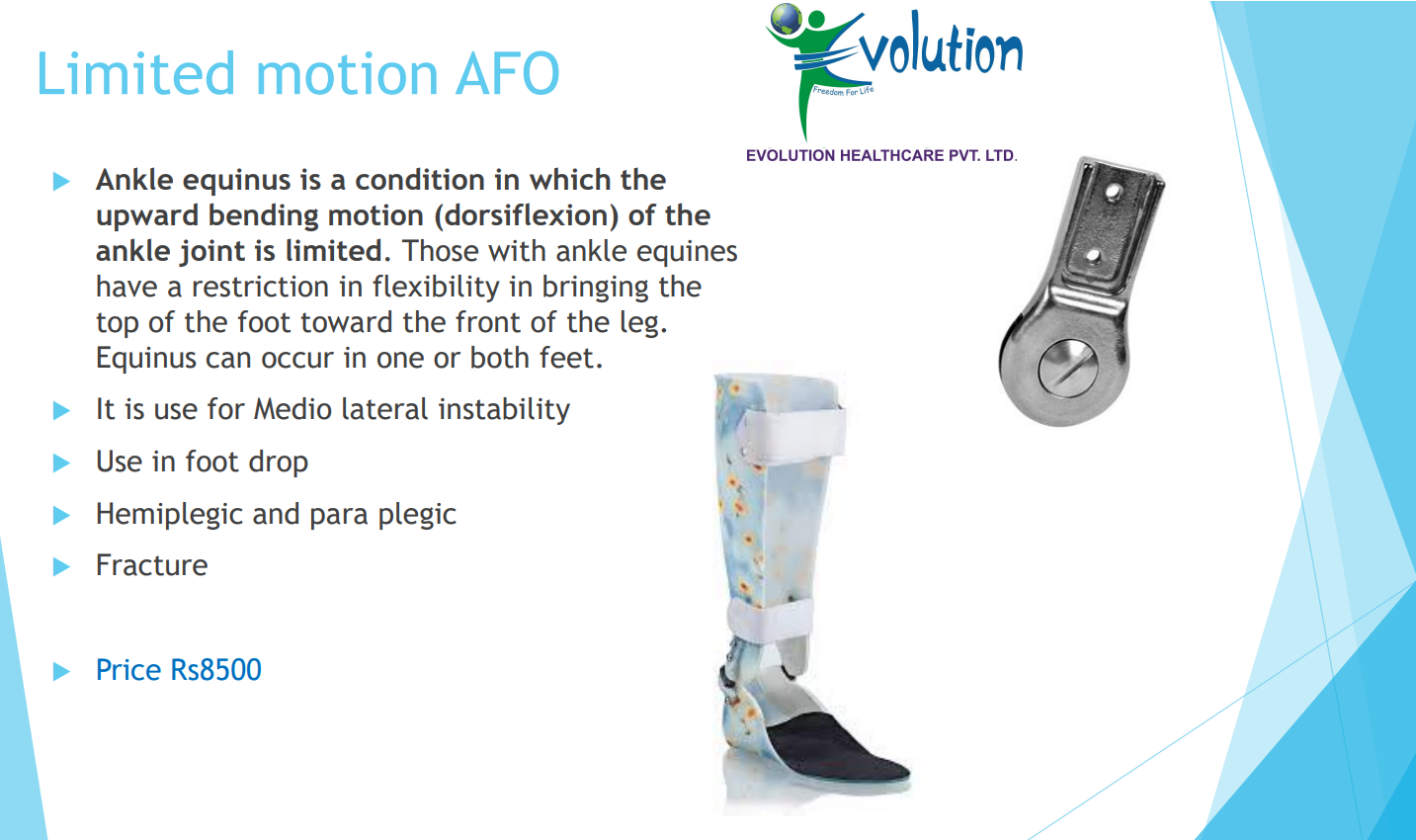
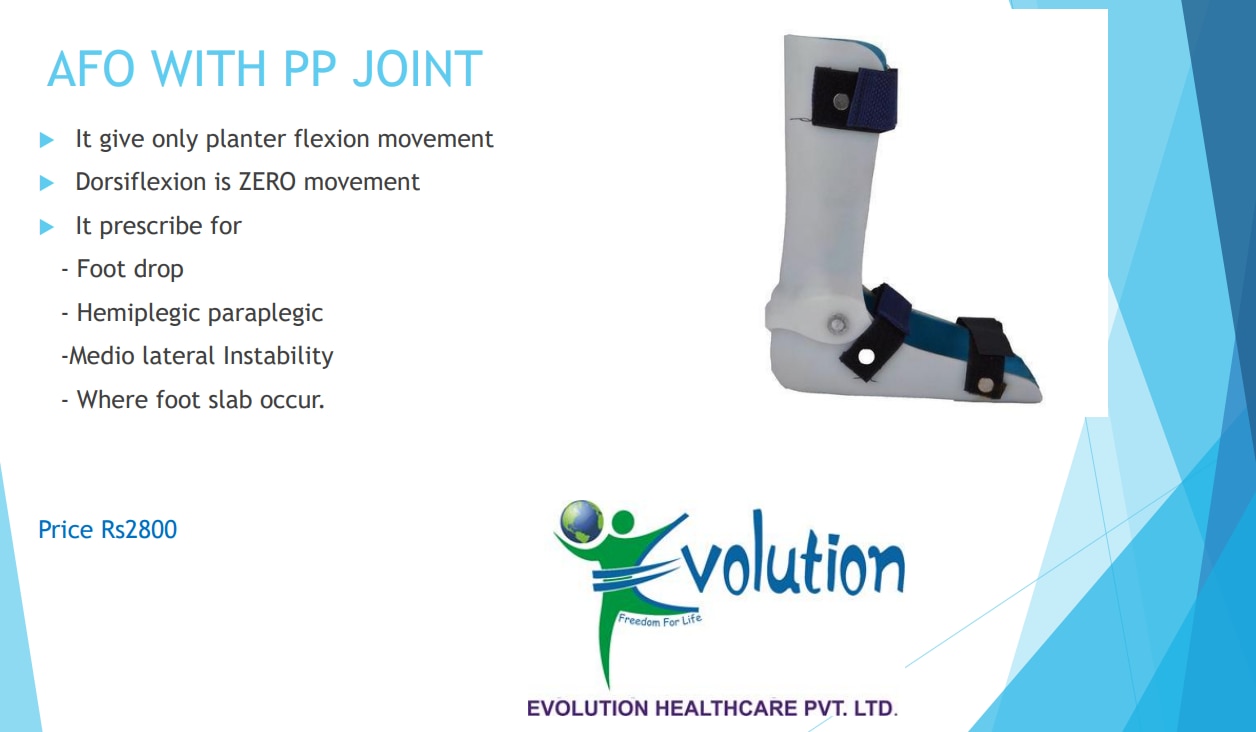
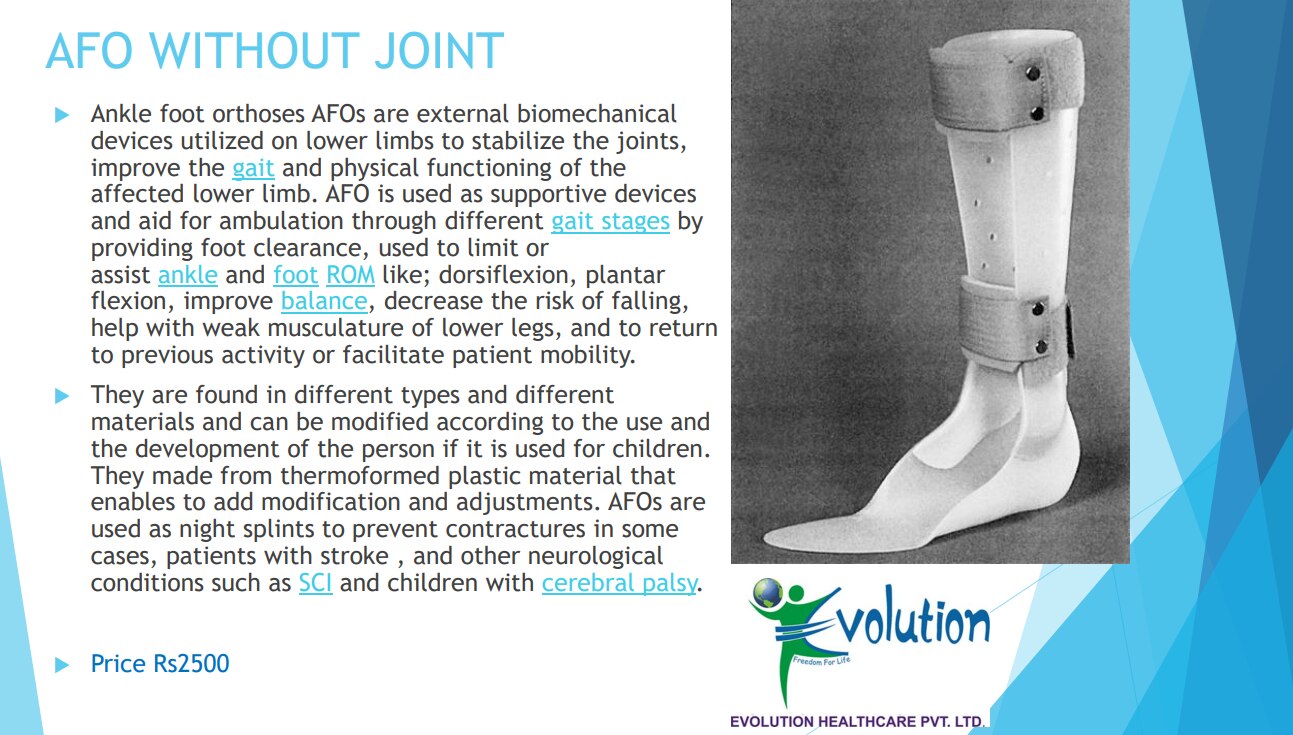
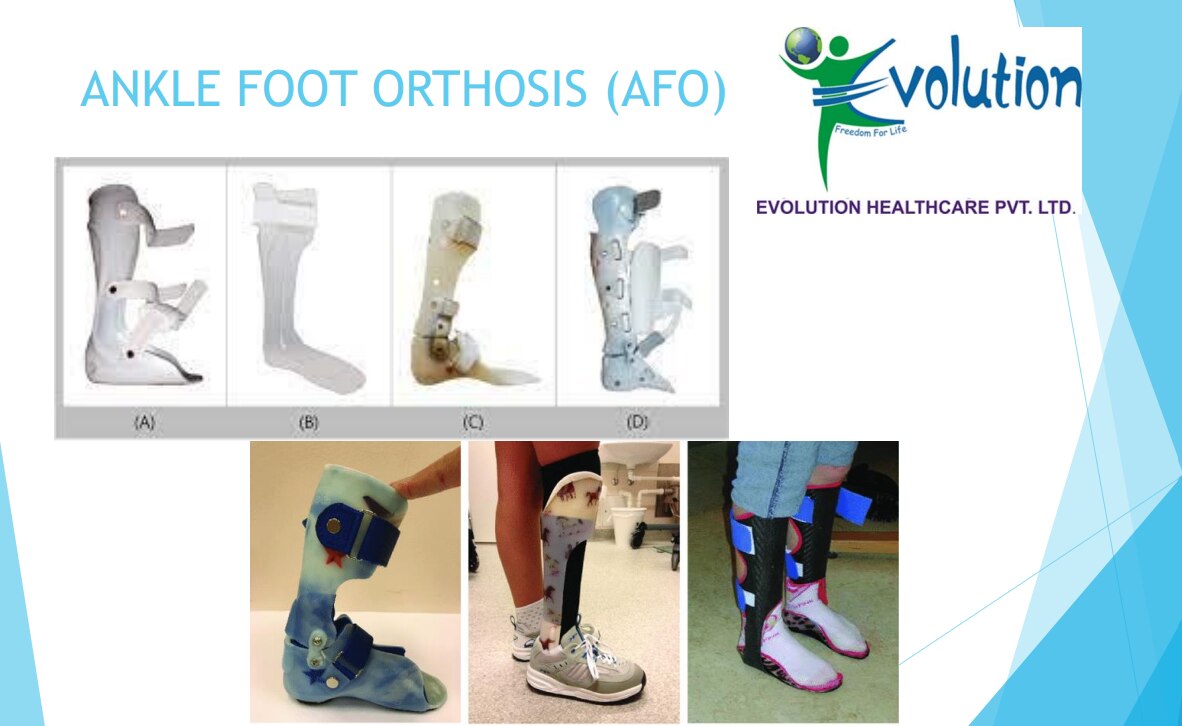
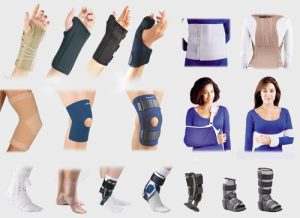
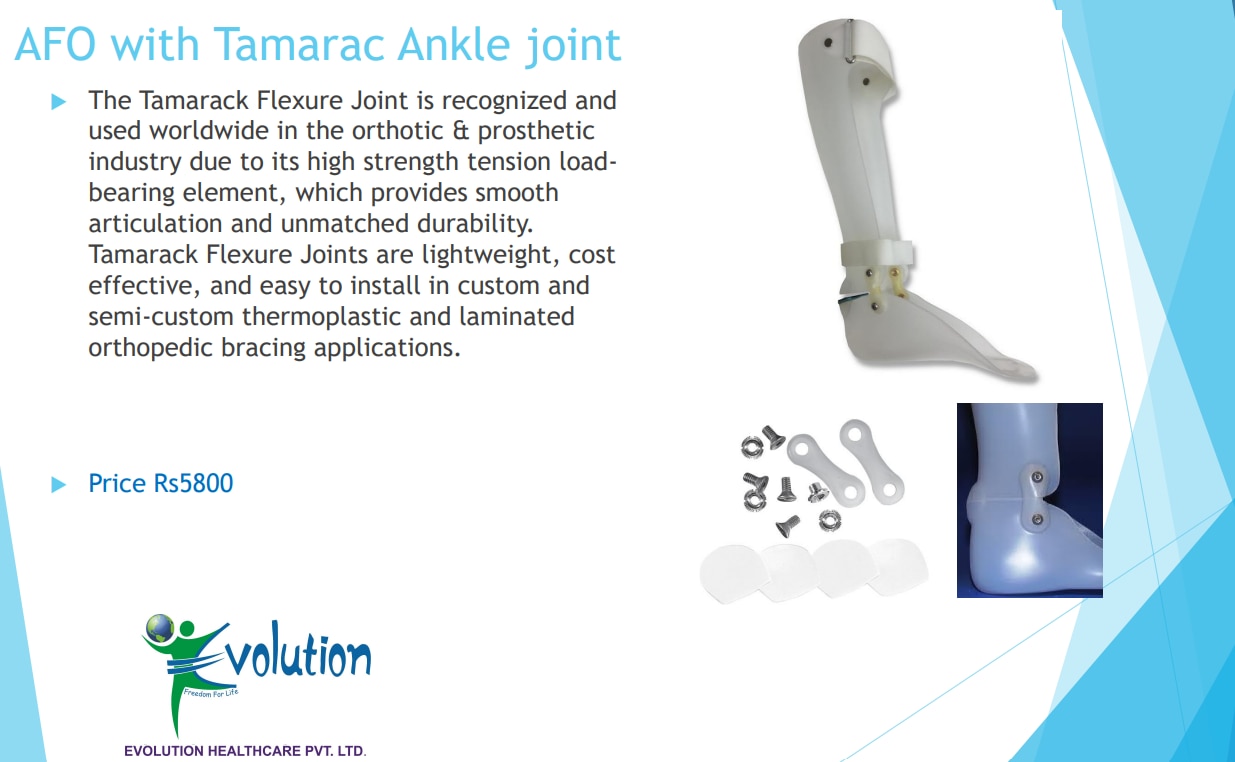
Orthotic Devices: Orthotic devices are supportive braces or splints used to immobilize or support specific body parts during the healing process. They can provide stability and protect joints, muscles, or ligaments. Examples include knee braces, ankle-foot orthoses (AFOs), wrist splints, and back braces.
Range of Motion (ROM) Devices: ROM devices help individuals regain or maintain joint mobility. They can be passive or active. Passive devices, such as continuous passive motion (CPM) machines, move the joints through a controlled range of motion without the individual's effort. Active devices, like pulley systems or therapy bands, require the individual to actively move the joint.
Assistive Devices for Activities of Daily Living (ADL): These aids help individuals perform everyday tasks independently during their rehabilitation. Examples include reachers/grabbers, dressing aids, adaptive utensils, shower chairs, and raised toilet seats.
Electrical Stimulation Devices: Electrical stimulation devices use low-level electrical currents to stimulate nerves and muscles. They can be used to manage pain, prevent muscle atrophy, improve muscle strength, or promote tissue healing.
Balance and Coordination Tools: Balance boards, stability discs, and wobble cushions are aids that help improve balance, coordination, and proprioception.
It's important to note that the specific rehabilitation aids needed may vary depending on the individual's condition, the stage of rehabilitation, and the guidance of healthcare professionals. Consulting with a physiotherapist, occupational therapist, or healthcare provider is crucial to determine the most appropriate rehabilitation aids for an individual's specific needs and goals.
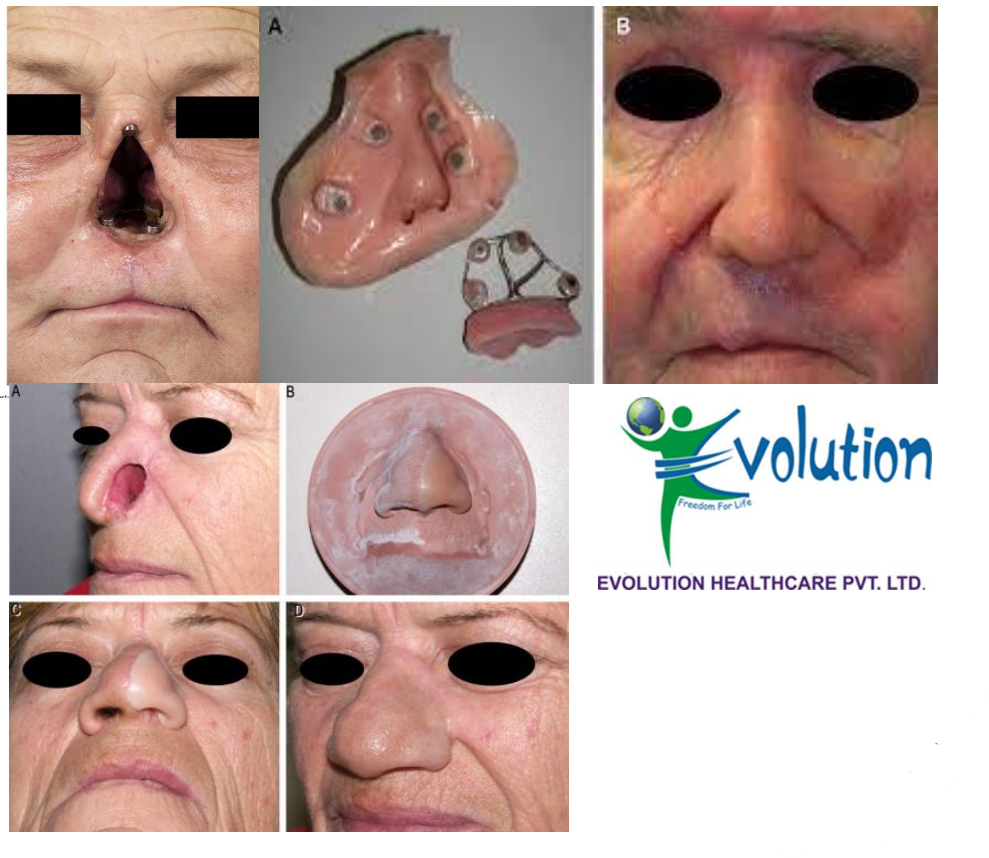
If you choose to receive an
osseointegrated prosthetic nose,
your surgeon will place several
titanium implant posts into the
bone around the nose. The
silicone nose will then snap
securely onto these implants. Both
types of prostheses are
removable. You should take off
your prosthetic nose before you
sleep or participate in athletic
activities, and you should also
remove it once a day to thoroughly
clean the nose and underlying
tissue. Typically, these prostheses
last between one and three years,
depending on maintenance,
environment, activity level, and
other factors.
Nose Prosthetic manufacturer in Pune, Surat, Kolkata, India
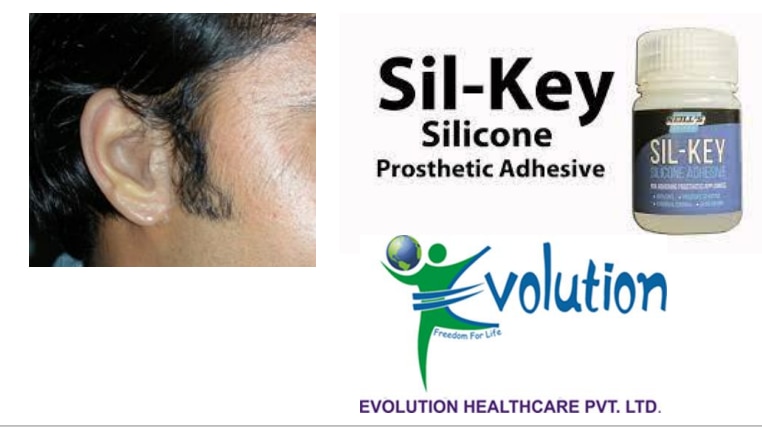
If you choose to receive an
osseointegrated prosthetic ear,
your surgeon will place several
titanium implant posts into the
bone around the ear. The silicone
ear will then snap securely onto
these implants. Both types of
prostheses are removable. You
should take off your prosthetic ear
before you sleep or participate in
athletic activities, and you should
also remove it once a day to
thoroughly clean the ear and
underlying tissue. Typically, these
prostheses last between one and
three years, depending on
maintenance, environment,
activity level, and other factors.
Silicon Prosthetic Adhesive Supplier in Pune, Surat, Kolkata, India.
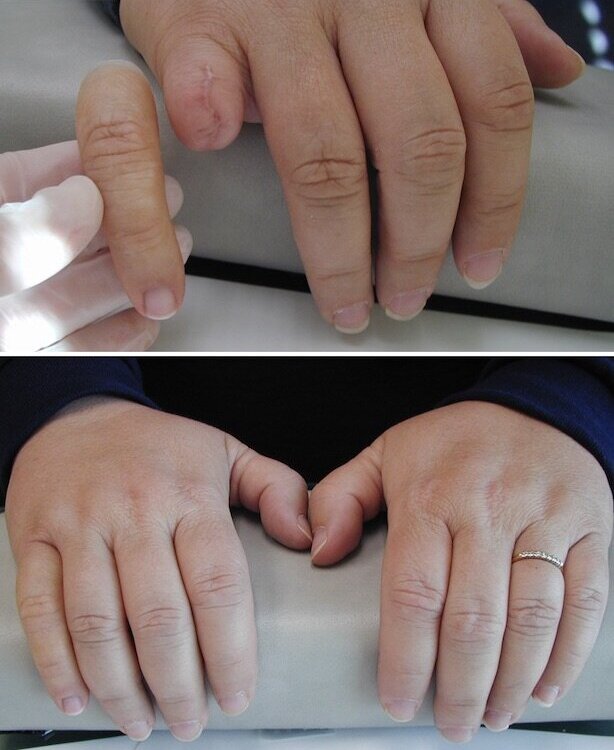
How we make
• We custom
-make each finger prosthesis and hand prosthesis in our
own laboratory ensuring high quality and individual design. The
process requires 4 to 5 appointments which involve these
steps:
• We make molds of the hands using gentle materials. • We modify the patient model and fabricate a diagnostic test socket
to evaluate fit.
• We carefully sculpt the shape of the prosthesis in wax as we
establish a natural contour.
• When the sculpture is complete, we fabricate a durable mold which
allows us to reproduce the silicone prosthesis.
• We have you try on a prototype version of the prosthesis and will
make modifications until a secure fit is achieved.
• We back
-paint the fingernail for a natural appearance.
• We meticulously paint every skin detail using your color formulae in
your mold.
• We check the finger or hand prosthesis for precise fit, and delicately
paint color details, such as freckling, onto the surface.
• We demonstrate wear and care instructions so that you can use your
prosthetic finger or hand with confidence.
Silicon Finger manufacturer in Pune, Surat, Kolkata, India.
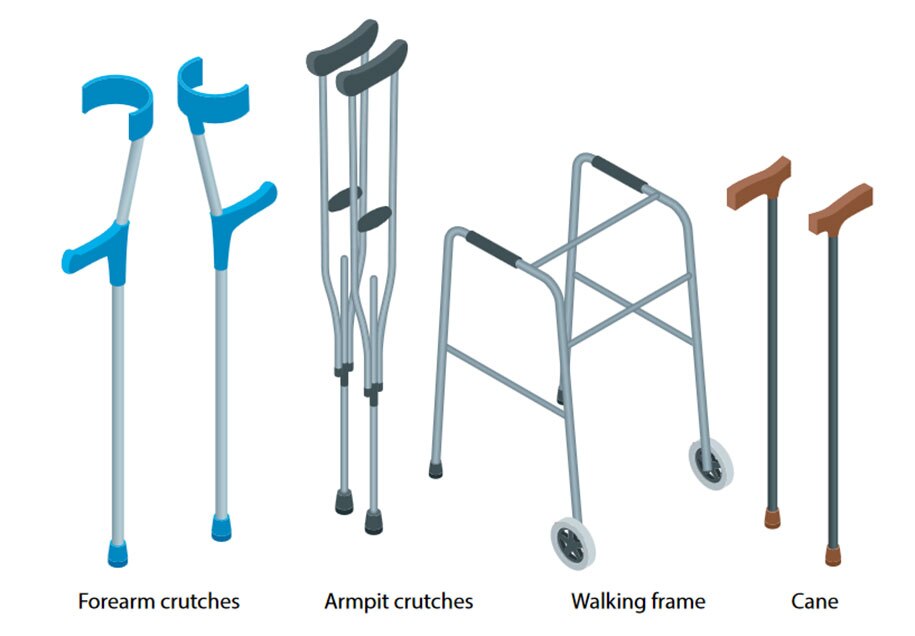
A walking aid is a device designed to assist individuals with mobility issues in walking or maintaining balance. It provides additional support and stability, improving the user's confidence and reducing the risk of falls. Here are some common types of walking aids:
Canes: Canes are the simplest walking aids and provide basic support. They come in various designs, such as single-point canes, quad canes (with four points), or offset canes. Canes are suitable for individuals who require minimal assistance or stability.
Crutches: Crutches are typically used when one leg is injured or unable to bear weight. They come in two types: underarm crutches and forearm crutches. Underarm crutches extend under the arms, while forearm crutches have cuffs that wrap around the forearm. Crutches require good upper body strength and coordination to use effectively.
Walkers: Walkers are sturdy frames with four legs that provide excellent stability. They are ideal for individuals who need substantial support or have difficulty maintaining balance. Walkers can be further classified into standard walkers, wheeled walkers, and rollators. Rollators have wheels and brakes, providing more mobility and maneuverability.
Walking Frames: Walking frames are similar to walkers but typically have two wheels at the front. They offer stability and support while walking and are suitable for individuals who need assistance but have better balance than those requiring a walker.
Knee Walkers/Scooters: Knee walkers or scooters are alternatives to crutches for individuals with lower leg injuries or surgeries. They have a padded knee rest and wheels, allowing the user to propel themselves forward while keeping the injured leg elevated.
The choice of walking aid depends on the individual's specific needs, abilities, and the nature of their mobility issues. It's important to consult with a healthcare professional, such as a physiotherapist or doctor, who can assess the user's condition and recommend the most appropriate walking aid for them.
Walking Aid Manufacturer in Pune, Kolkata, Surat, India.
We Supply all over India.
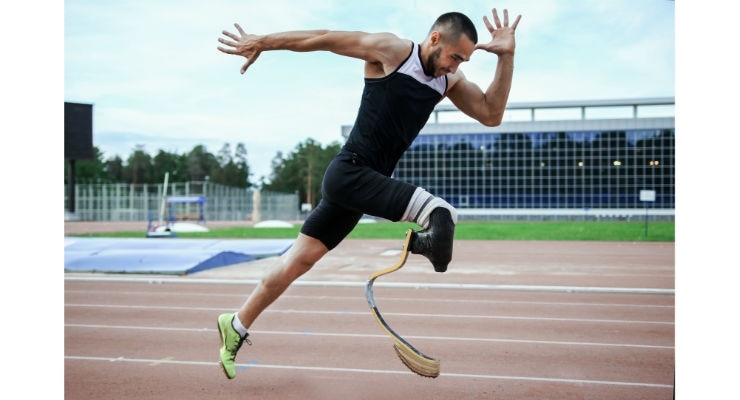
Athletic Sport Solutions have enabled athletes with prosthetics to thrive in sports they love, win championships and set worldwide records. Working side by side with elite runners, Paralympians, triathletes, long jumpers and more, we’ve developed a host of sports-specific prosthetics based upon an athlete’s unique needs and competitive goals.
Whether you’re navigating new territory or have reached your destination and are on to the next challenge, you’re on your way to a Life Without Limitations.
Best Prosthetic Limb Manufacturer in Pune, Kolkata, Surat, India.
We deliver all over India.

 Chat with us