Thank you for writing to us. One of our executive will reach back to you through your submitted medium. In case there’s an urgency, feel free to connect over WhatsApp for faster response.
Prefer calling? Dial +9108048053375 (International callers) or 08048053375 (Indian callers).
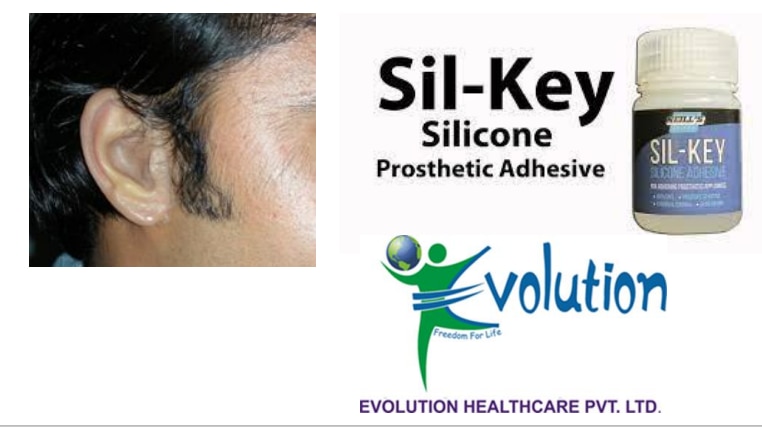
If you choose to receive an
osseointegrated prosthetic ear,
your surgeon will place several
titanium implant posts into the
bone around the ear. The silicone
ear will then snap securely onto
these implants. Both types of
prostheses are removable. You
should take off your prosthetic ear
before you sleep or participate in
athletic activities, and you should
also remove it once a day to
thoroughly clean the ear and
underlying tissue. Typically, these
prostheses last between one and
three years, depending on
maintenance, environment,
activity level, and other factors.
Silicon Prosthetic Adhesive Supplier in Pune, Surat, Kolkata, India.
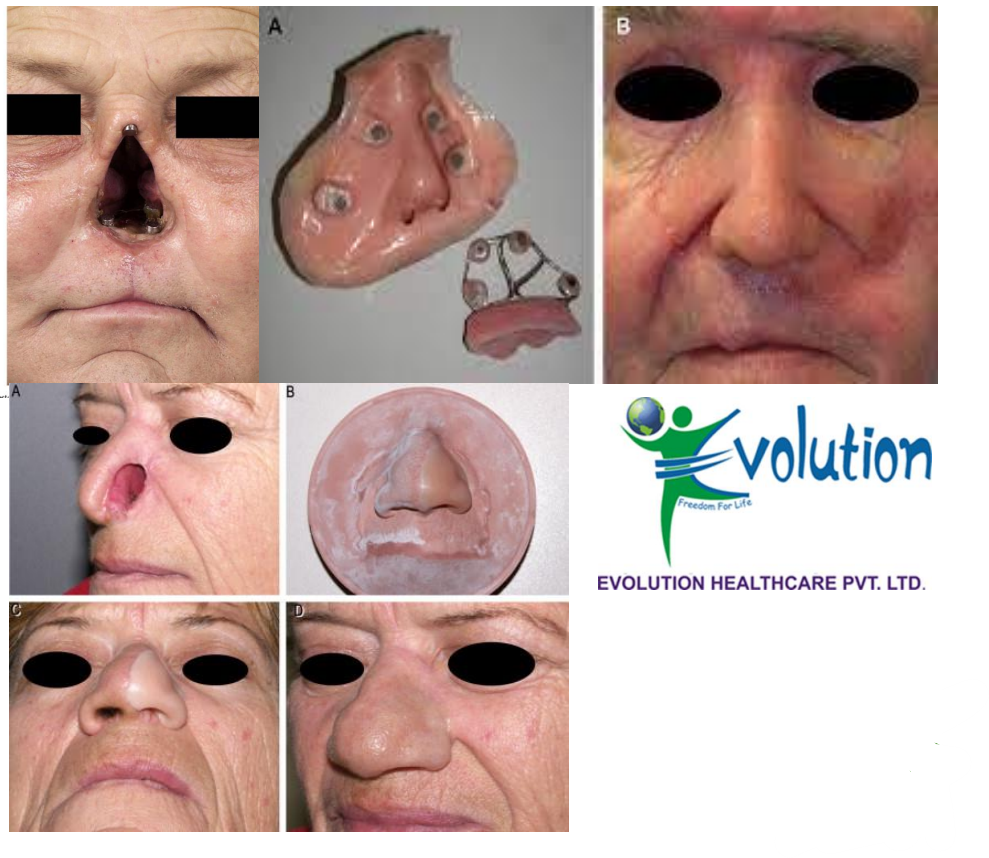
If you choose to receive an
osseointegrated prosthetic nose,
your surgeon will place several
titanium implant posts into the
bone around the nose. The
silicone nose will then snap
securely onto these implants. Both
types of prostheses are
removable. You should take off
your prosthetic nose before you
sleep or participate in athletic
activities, and you should also
remove it once a day to thoroughly
clean the nose and underlying
tissue. Typically, these prostheses
last between one and three years,
depending on maintenance,
environment, activity level, and
other factors.
Nose Prosthetic manufacturer in Pune, Surat, Kolkata, India
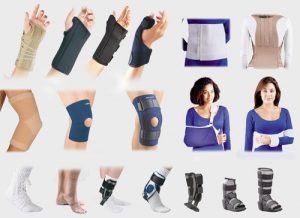
Rehabilitation aids are devices or equipment designed to assist individuals in their recovery process following an injury, surgery, or illness. These aids help improve mobility, strength, flexibility, and overall functionality. Here are some common types of rehabilitation aids:
Exercise Equipment: Various exercise tools and machines can aid in rehabilitation. These include resistance bands, therapy balls, balance boards, and pedal exercisers. They help strengthen muscles, improve range of motion, and enhance balance and coordination.
Walking Aids: As mentioned earlier, walking aids like canes, crutches, walkers, and knee walkers/scooters can assist individuals in regaining mobility during their rehabilitation journey.
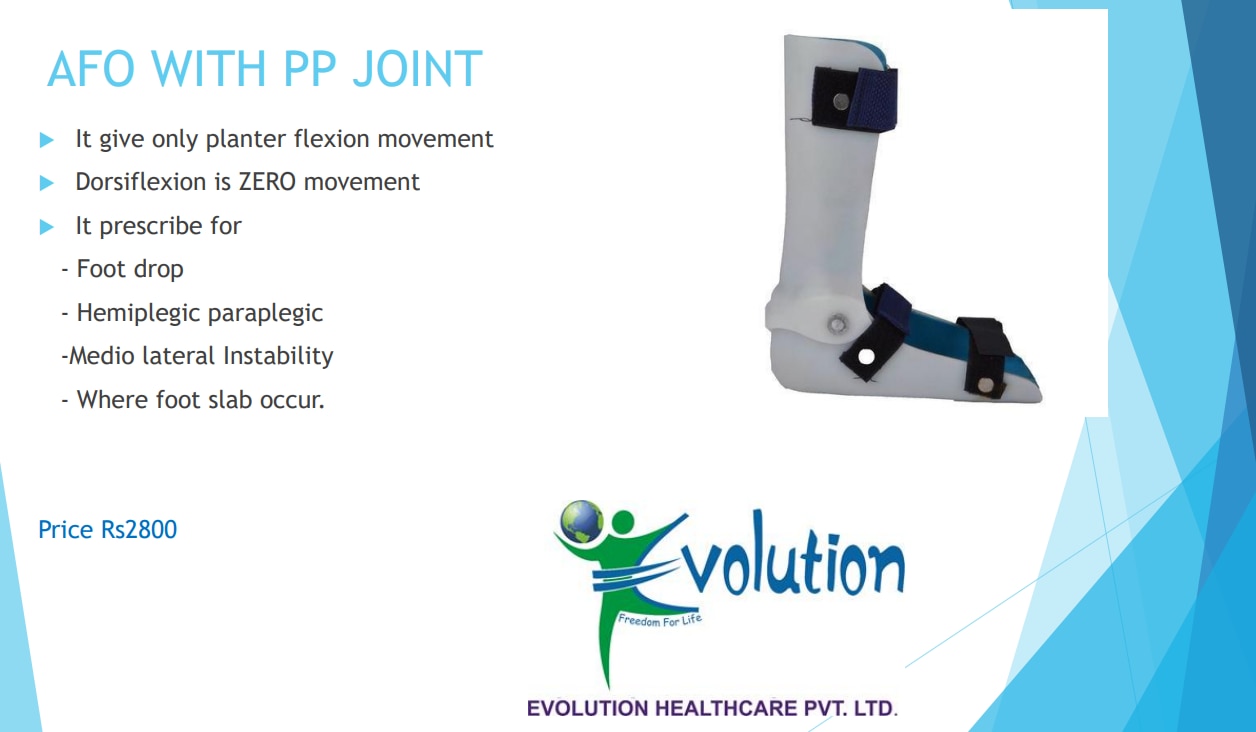
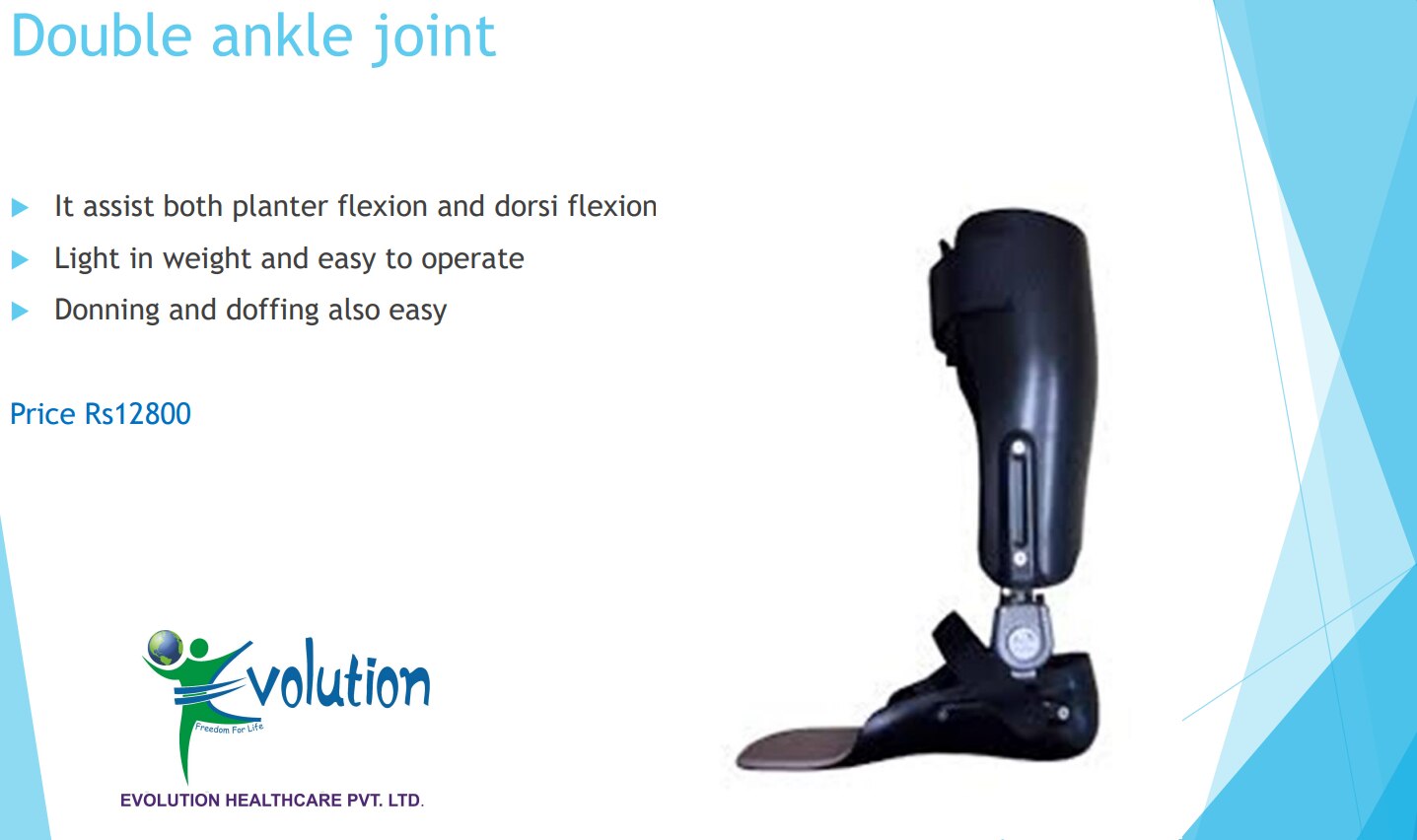
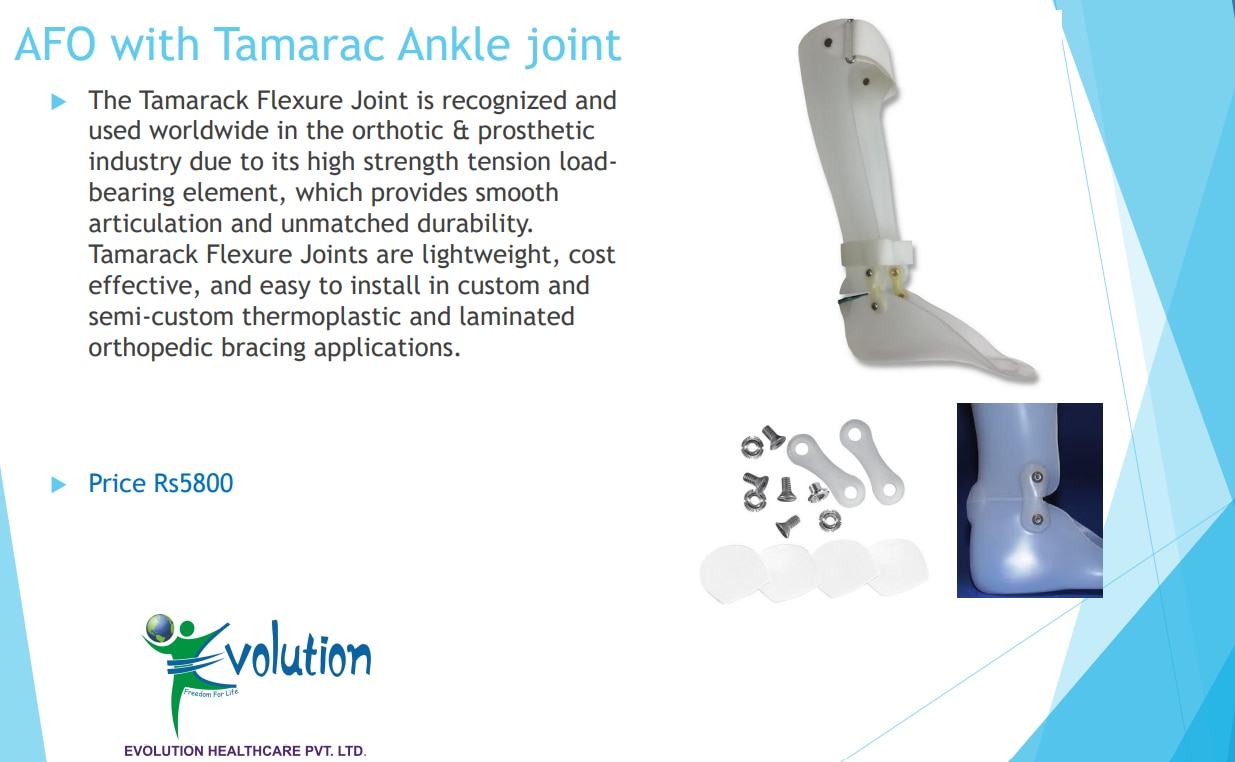
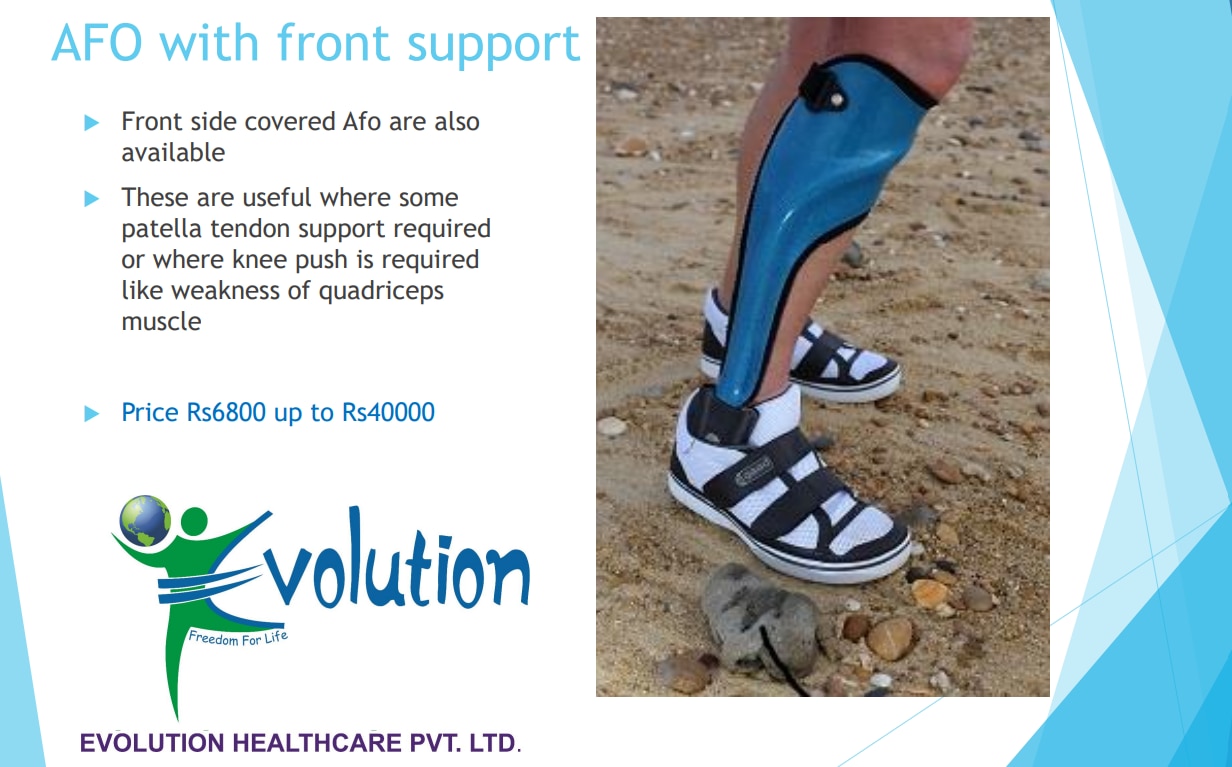
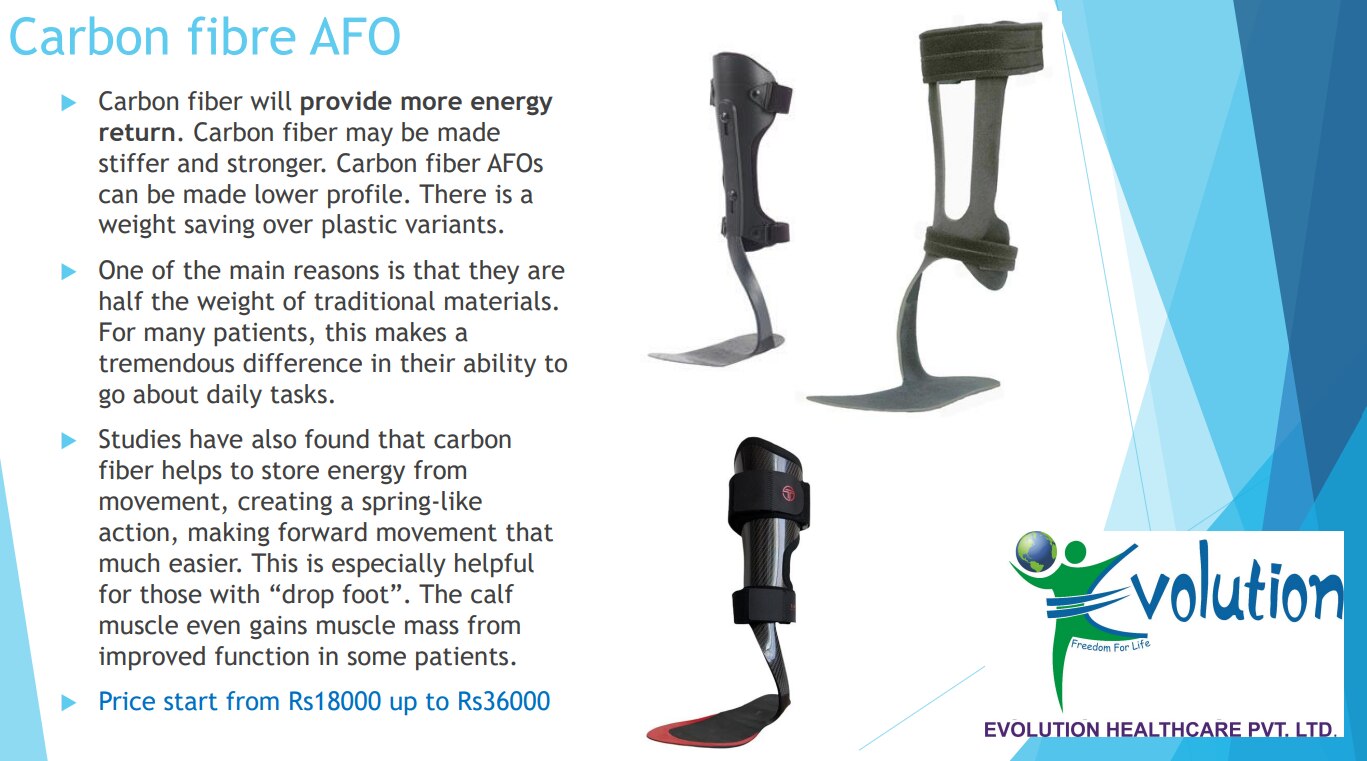
Orthotic Devices: Orthotic devices are supportive braces or splints used to immobilize or support specific body parts during the healing process. They can provide stability and protect joints, muscles, or ligaments. Examples include knee braces, ankle-foot orthoses (AFOs), wrist splints, and back braces.
Range of Motion (ROM) Devices: ROM devices help individuals regain or maintain joint mobility. They can be passive or active. Passive devices, such as continuous passive motion (CPM) machines, move the joints through a controlled range of motion without the individual's effort. Active devices, like pulley systems or therapy bands, require the individual to actively move the joint.
Assistive Devices for Activities of Daily Living (ADL): These aids help individuals perform everyday tasks independently during their rehabilitation. Examples include reachers/grabbers, dressing aids, adaptive utensils, shower chairs, and raised toilet seats.
Electrical Stimulation Devices: Electrical stimulation devices use low-level electrical currents to stimulate nerves and muscles. They can be used to manage pain, prevent muscle atrophy, improve muscle strength, or promote tissue healing.
Balance and Coordination Tools: Balance boards, stability discs, and wobble cushions are aids that help improve balance, coordination, and proprioception.
It's important to note that the specific rehabilitation aids needed may vary depending on the individual's condition, the stage of rehabilitation, and the guidance of healthcare professionals. Consulting with a physiotherapist, occupational therapist, or healthcare provider is crucial to determine the most appropriate rehabilitation aids for an individual's specific needs and goals.
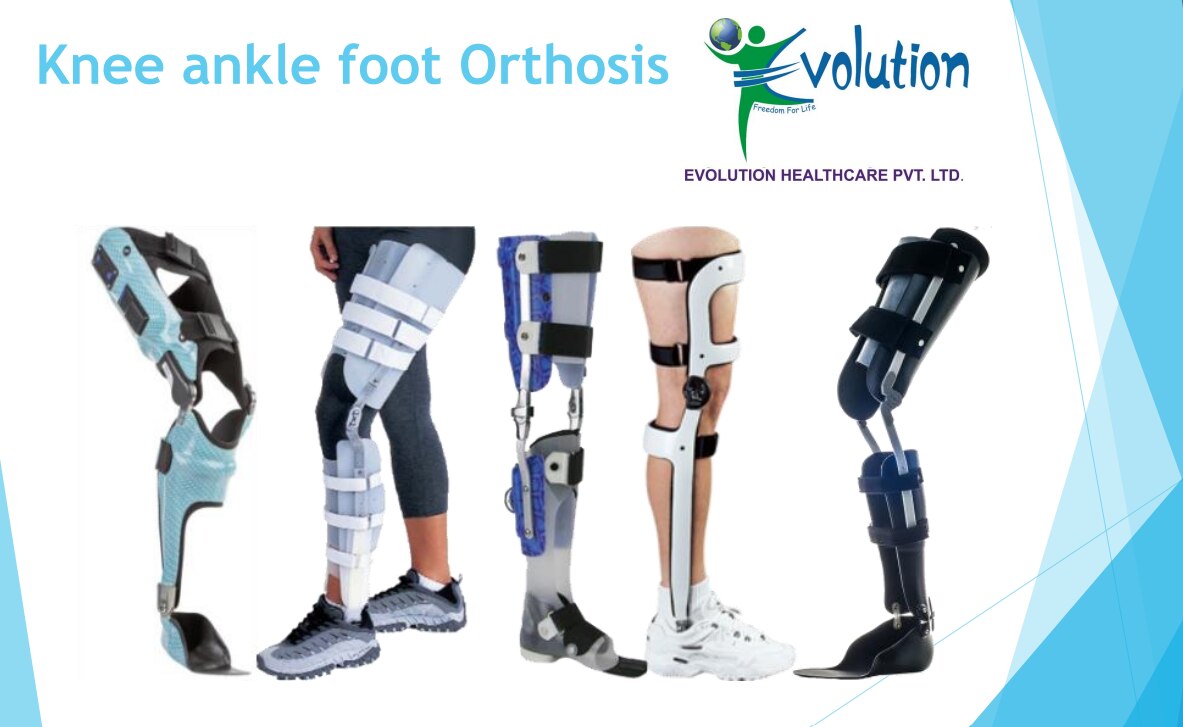
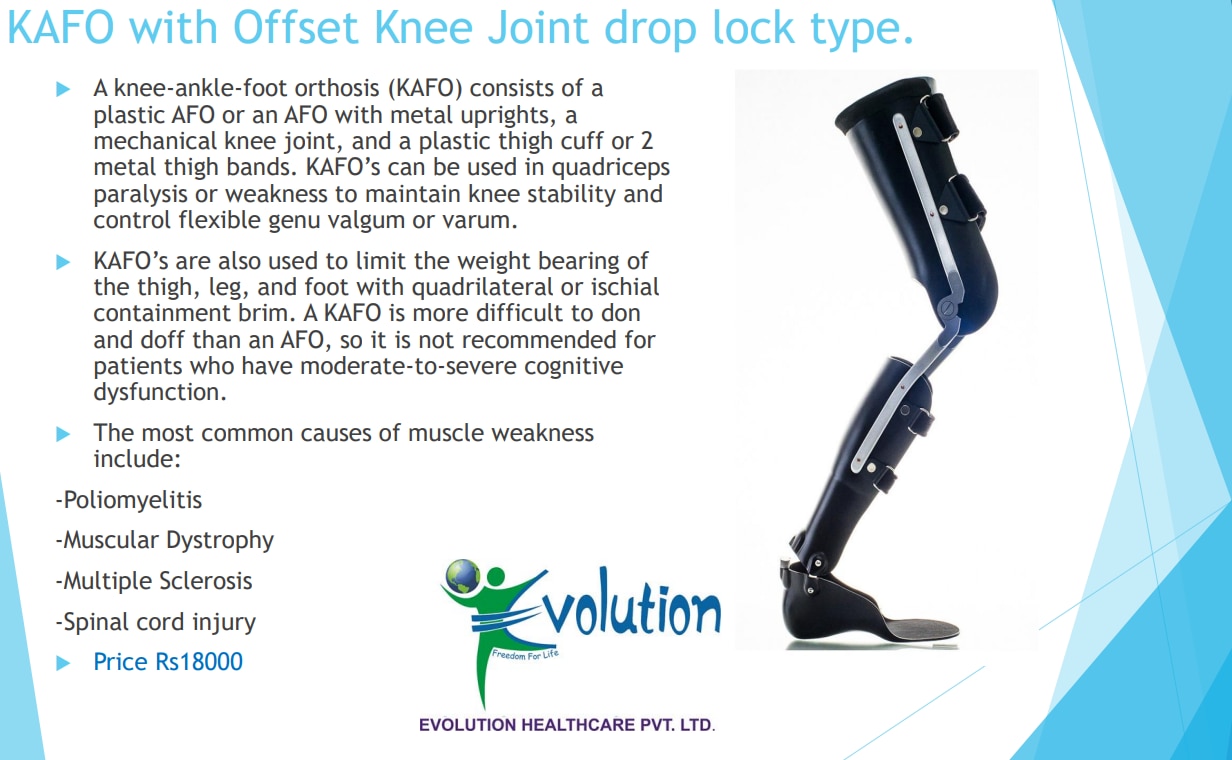
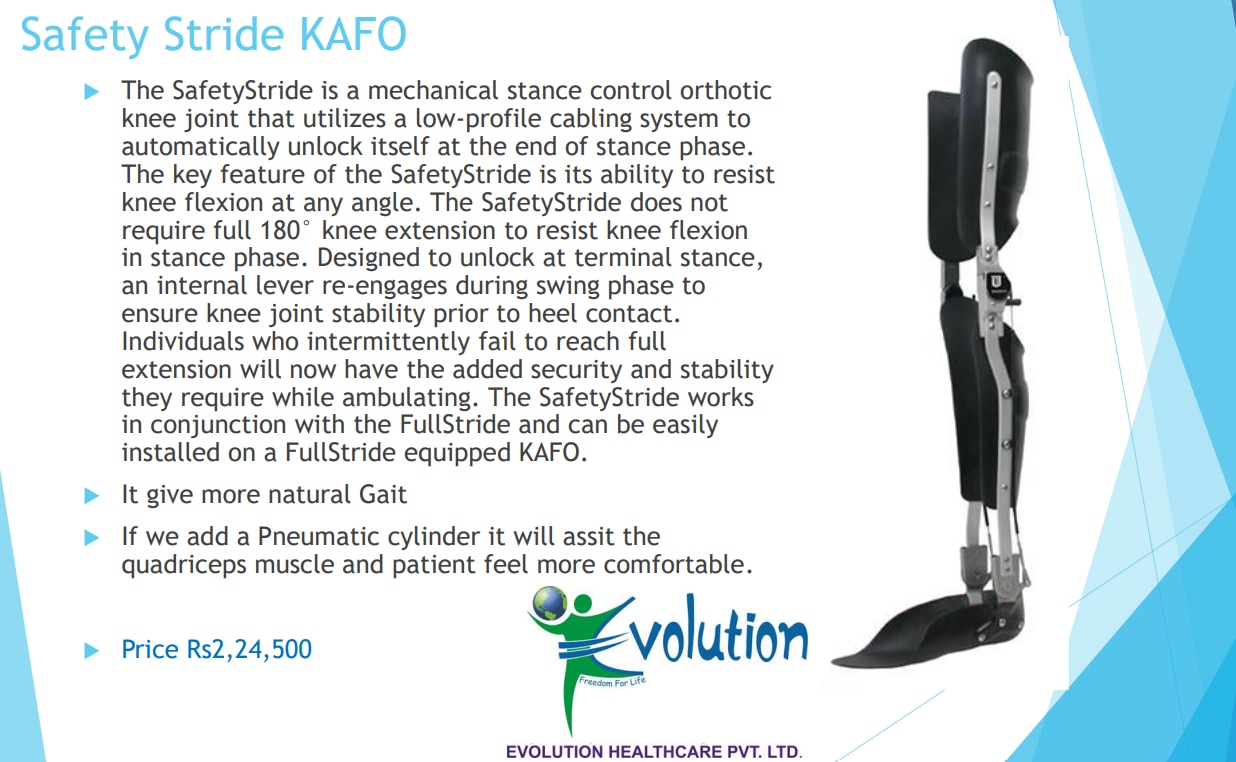
A Knee-Ankle-Foot Orthosis (KAFO) is a custom made brace that starts
above the knee and extends all the way down the leg to the end of the
toes. These braces will normally include a knee joint and possibly an
ankle joint as well. A KAFO is prescribed by your physician when there
is significant weakness and/or instability at the knee and ankle joints.
The KAFO will allow patients to stand by locking the knee joint in the
brace when the thigh muscles are too weak to support the knee. This
brace can also reduce significant knee hyperextension (genu
recurvatum) during the gait cycle. KAFOs can be extended to the hip to
provide additional support to the hip joint if necessary.
The KAFO is commonly used in the treatment of:
1-Blount’s Disease 2-Genu Recurvatum 3-Post-Polio
4-Spinal Cord Injury 5-Arthrogryposis 6-Cerebral Palsy
7-Polio 8-Spina Bifida
At your initial assessment you will meet with your Orthotist to go
through a complete assessment of your strength and range of motion
and undergo an observational gait analysis. There are many different
designs of KAFOs, each with different functions and levels of support.
In collaboration with your Orthotist at OrthoProActive and your health
team, we will determine which KAFO design will help to provide you
with the best functional outcomes.