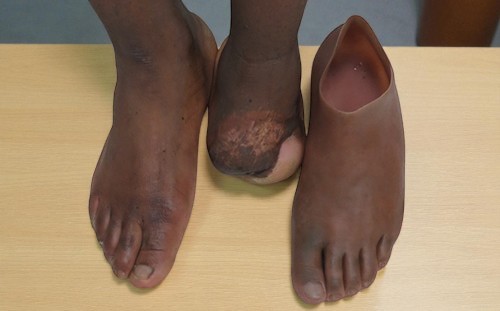
Partial Foot Prosthesis – Types, Design & Benefits A partial foot prosthesis is a custom artificial limb designed to restore mobility, balance, and comfort after a partial foot amputation. Depending on the amputation level, prosthetic options include toe fillers, transmetatarsal prosthesis, Lisfranc prosthesis, Chopart prosthesis, Syme prosthesis, and ankle disarticulation prosthesis. Made with advanced materials like silicone, carbon fiber, EVA, and pelite, these prostheses provide stability, natural gait, and patient comfort. Each partial foot prosthesis is tailored with a custom socket, foot component, and suspension system to ensure proper fit, shock absorption, and energy return. With the guidance of a certified prosthetist, patients receive personalized solutions that support walking, standing, and daily activities. Regular rehabilitation and follow-up care ensure long-term comfort, durability, and functionality.

Pune
08048074958
+917043486476
 Chat with us
 Chat with us

About EVOLUTION HEALTHCARE PVT LTD
Manufacture prosthesis and orthosis

3
HAPPY CLIENTS
1
SKILLED STAFF
Our expert team members
Our Team
dilip kumar sahoo
manager

Have any custom requirements?


Testimonials
View All
sindhu s
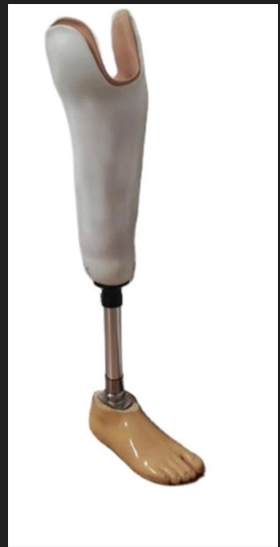
My name is sindhu When I first started using the prosthesis, it was challenging. The balance and movement felt so diffe...
Read Moreshivam gupta
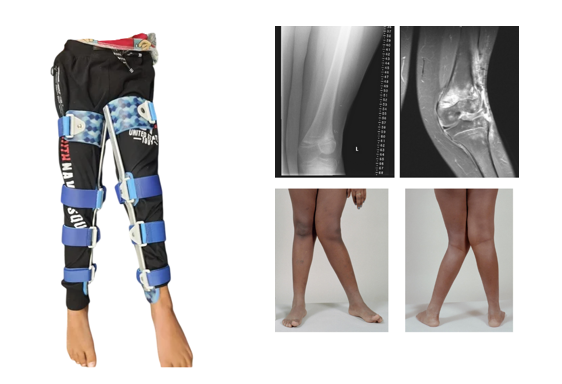
When I first received my KAFOs, I was overwhelmed. They seemed so bulky and restrictive compared to what I was used to. ...
Read MoreMr. Shivanand Shanbhag
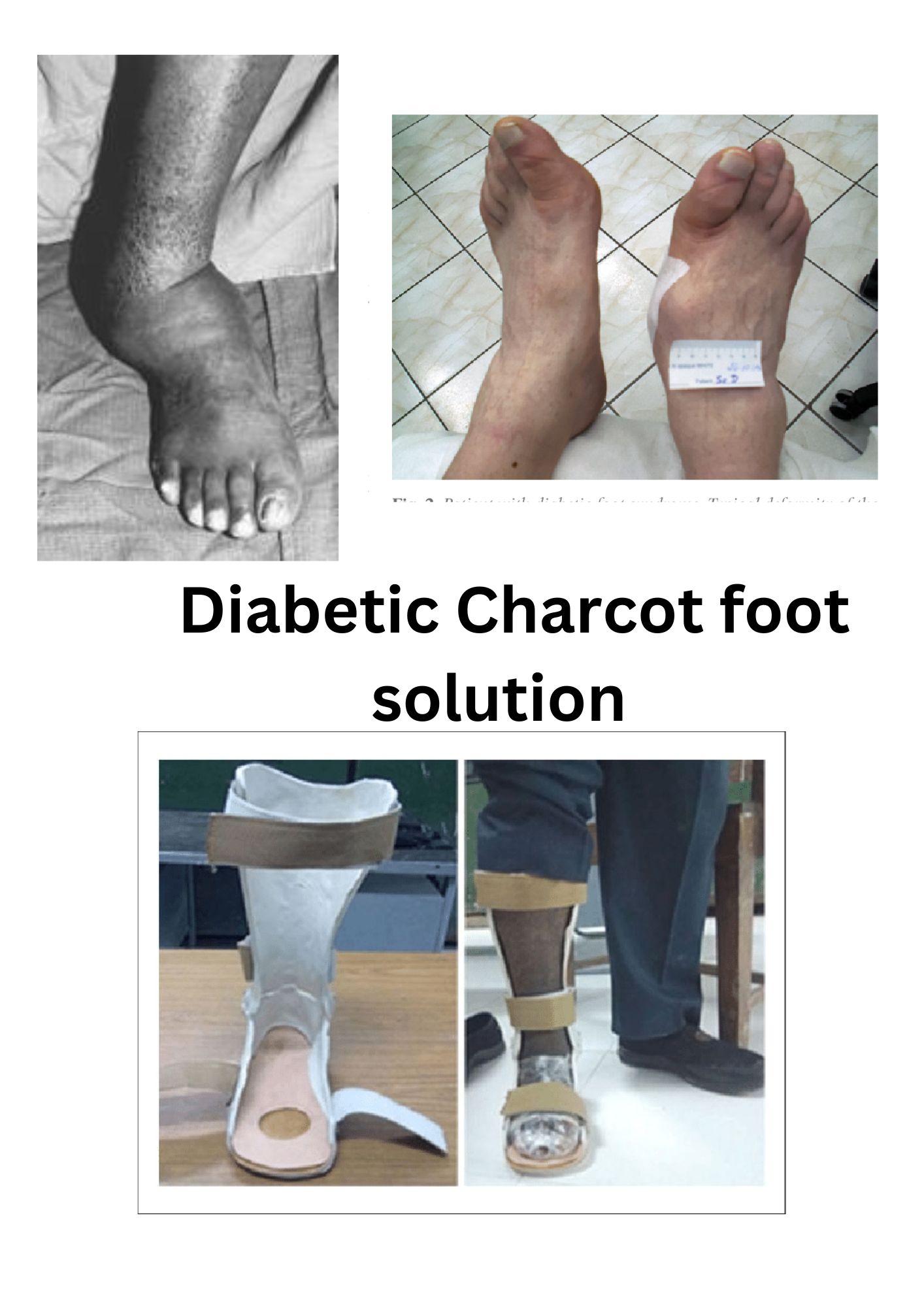
,After using Evolution Healthcare sandal with the modified insole, my ulcers have healed very quickly. I am now able to...
Read More
×
![]()